Choosing the right Microscope
Compare our microscopes so you can choose which one is right for you

Compare our microscopes so you can choose which one is right for you
| 1mm microscope | 2mm microscope | |
|---|---|---|
| Field of view (image width) | 1mm | 2mm |
| Magnification |
X400 |
X150 |
| Resolution | 1μm (1 micron = 1/1000mm) Similar to x20 objective and x10 eyepiece on conventional microscope |
|
| Working distance (lens to sample) | 1mm | 2.5mm |
| Applications | Highest resolution portable microscope
Cells – see more detail Applications where detail is required |
Wider field of view, general purpose portable microscope
Counting applications – see more cells Better for opaque samples like coins and engineering component inspection. |
Fantastic detail on the 1mm microscope, but you see a larger area on 2mm.
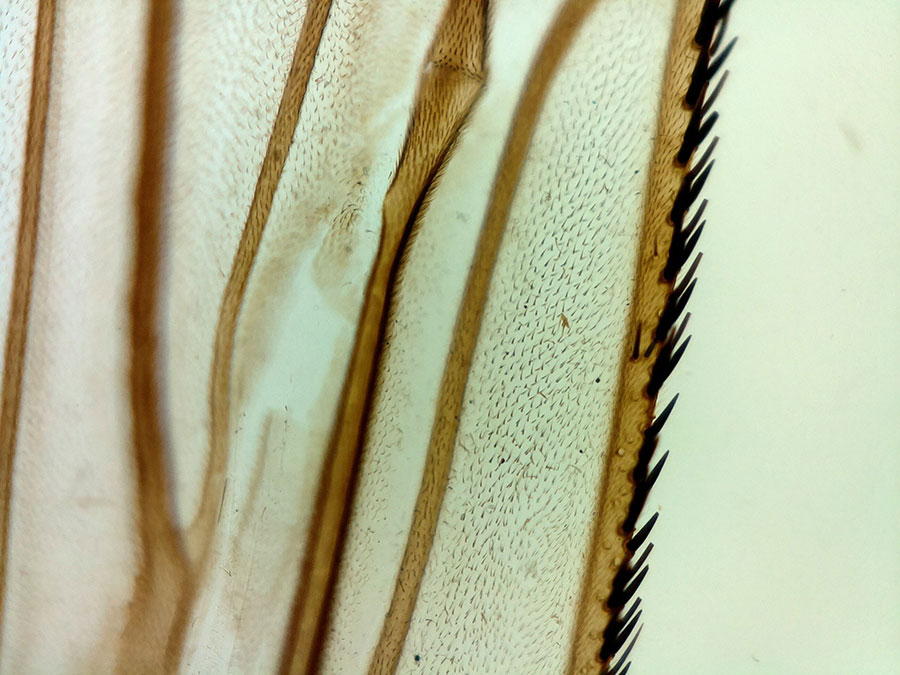
Fantastic detail on the 1mm microscope, but you see a larger area on 2mm.
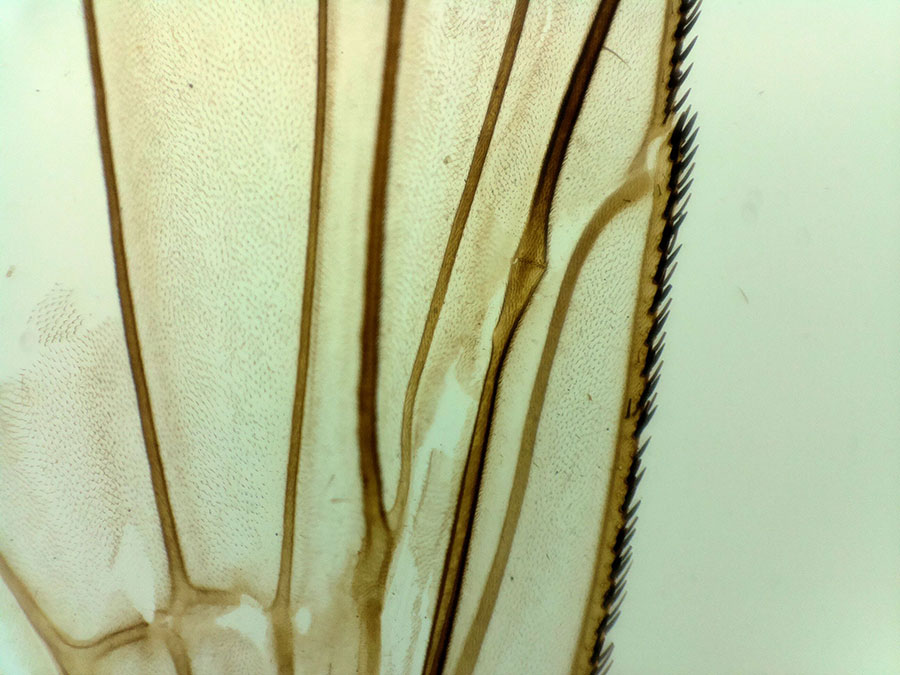
1mm clearly shows the cells, cell walls and the nuclei. 2mm shows a larger area, but less detail

1mm clearly shows the cells, cell walls and the nuclei. 2mm shows a larger area, but less detail
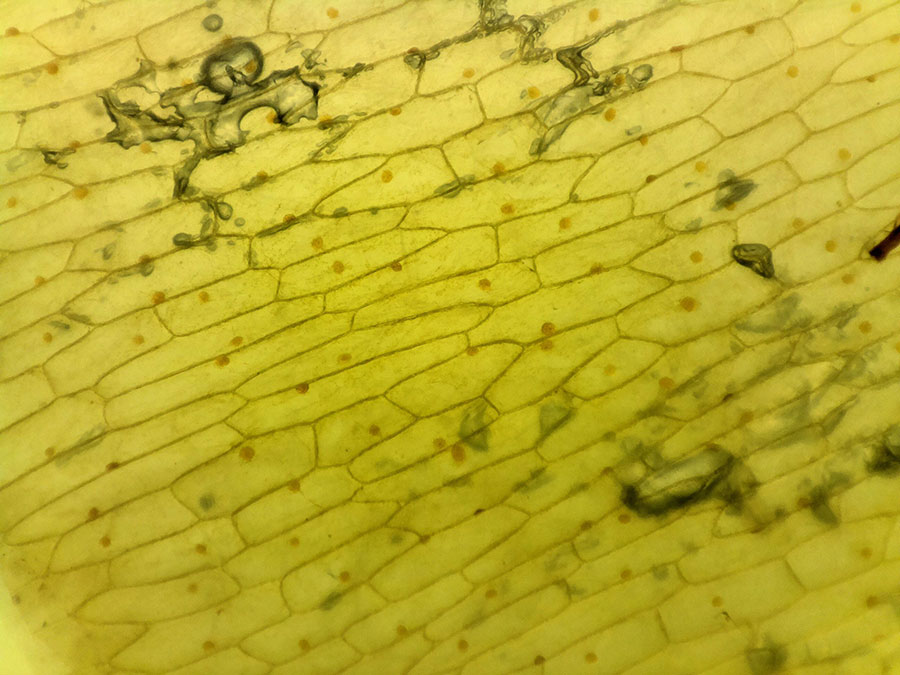
1mm clearly shows the cells and the nuclei, which are harder to see on the 2mm. However, the 2mm version makes cell counting much easier.

1mm clearly shows the cells and the nuclei, which are harder to see on the 2mm. However, the 2mm version makes cell counting much easier.

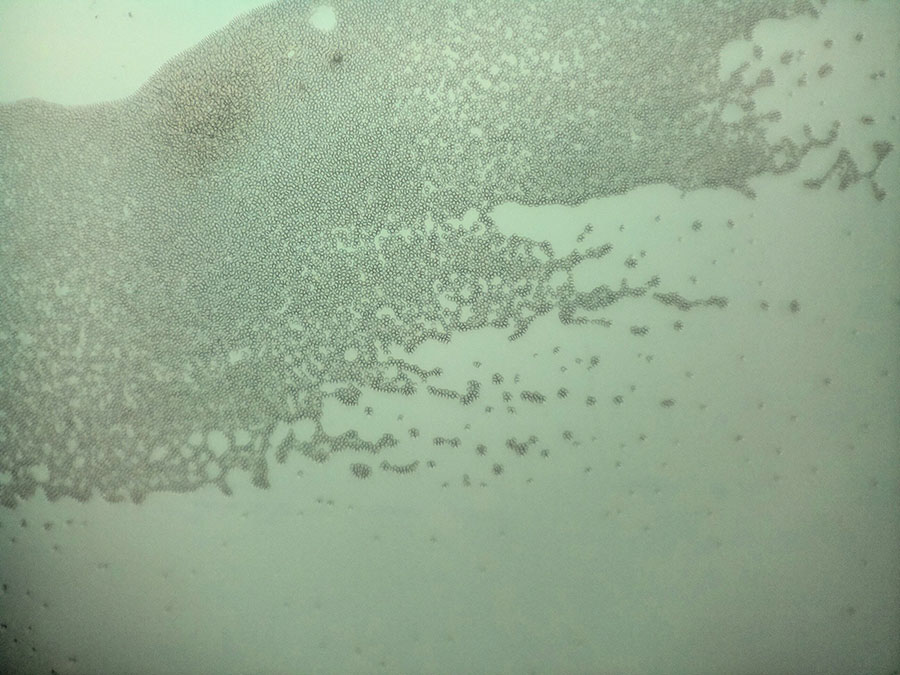
Blood cells are 5-15μm across (1μm is a micron or 1/1000 mm). On the 1mm instrument you can clearly see the outline of red blood cells and with with digital zoom and staining you may even be able to see some structure in the larger white cells.
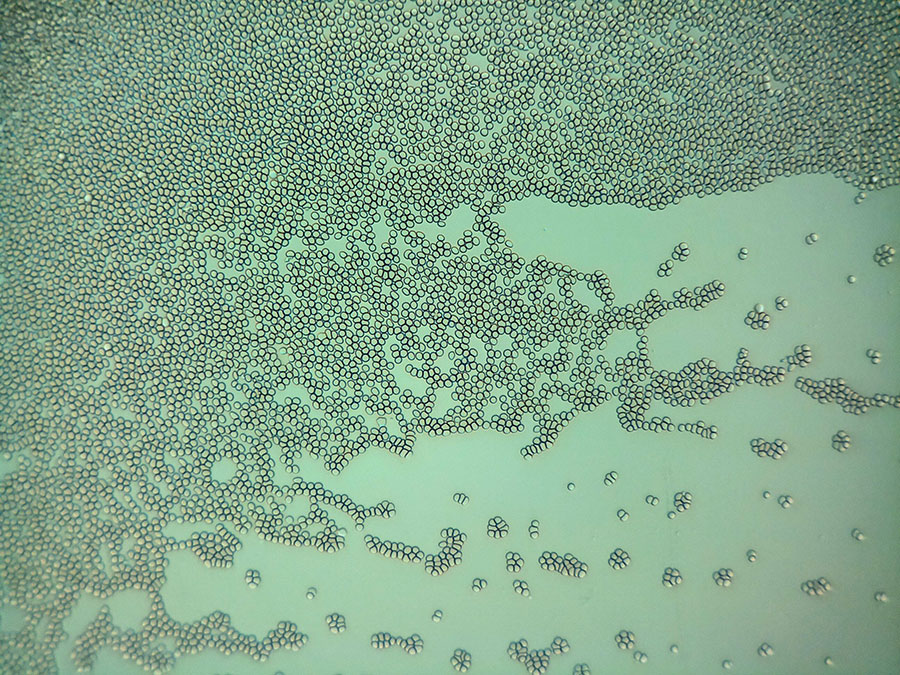
Blood cells are 5-15μm across (1μm is a micron or 1/1000 mm). On the 1mm instrument you can clearly see the outline of red blood cells and with with digital zoom and staining you may even be able to see some structure in the larger white cells.
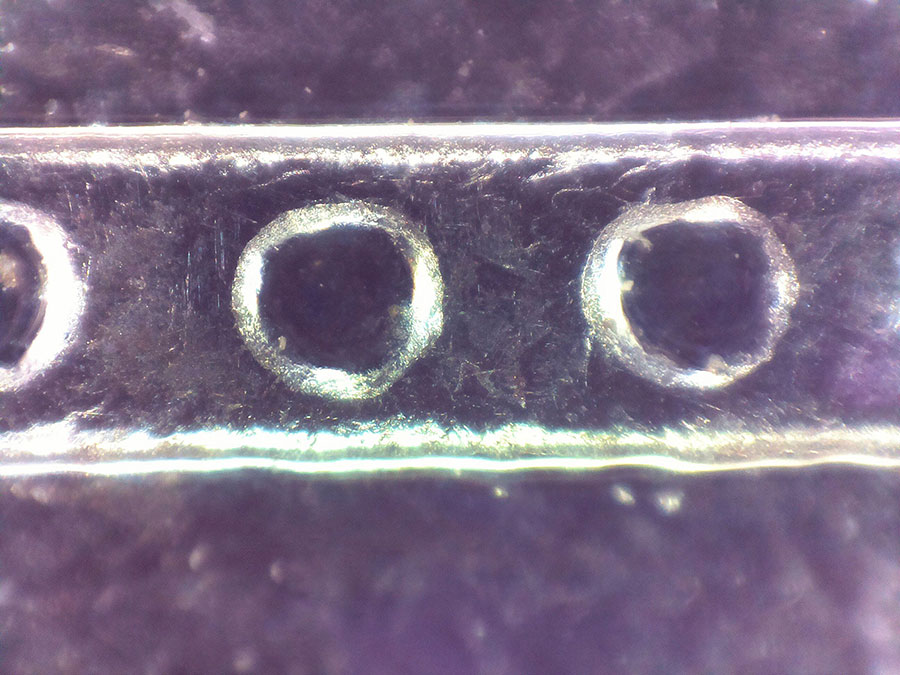
Opaque samples need the top illuminator. Both product versions have this feature. We recommend the 2mm version for opaque samples because its longer working distance makes it easier to illuminate the subject properly.

Opaque samples need the top illuminator. Both product versions have this feature. We recommend the 2mm version for opaque samples because its longer working distance makes it easier to illuminate the subject properly.
ioLight has invented a portable microscope, with a resolution of better than 1μm, which produces beautiful pictures of animal and plant cells and displays them directly onto your tablet or mobile phone.

 ioLight Limited 2024