
ioLight saves algal blooms research from COVID-19
Thanks to ioLight portable microscopes, CEFAS has continued its Harmful Algal Blooms (HAB) research on the Isles of Scilly despite the COVID-19 restrictions.
The Centre for Environment, Fisheries and Aquaculture Science (CEFAS) has joined teams from Spain, Portugal, France and Ireland in an E.U. funded consortium to develop alert systems for emerging marine toxins on Europe’s Atlantic coast. Harmful Algal Blooms generate toxins that kill fish, marine animals, dogs and potentially humans. CEFAS is responsible for ensuring that these toxins do not enter the food chain. Algal blooms are becoming increasingly frequent and serious because of climate change and other human activity and the consortium aims to provide an early warning system for marine toxins.
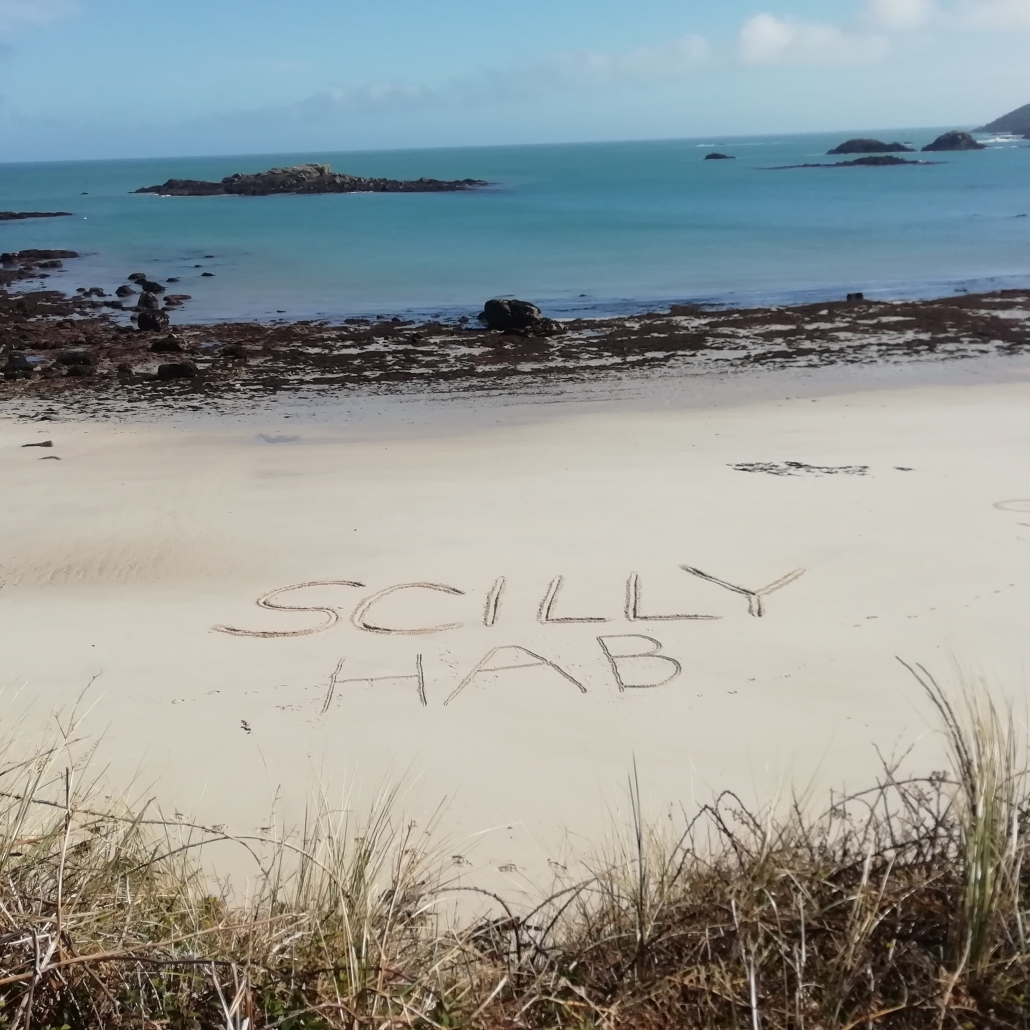
Detecting Harmful Algal Blooms
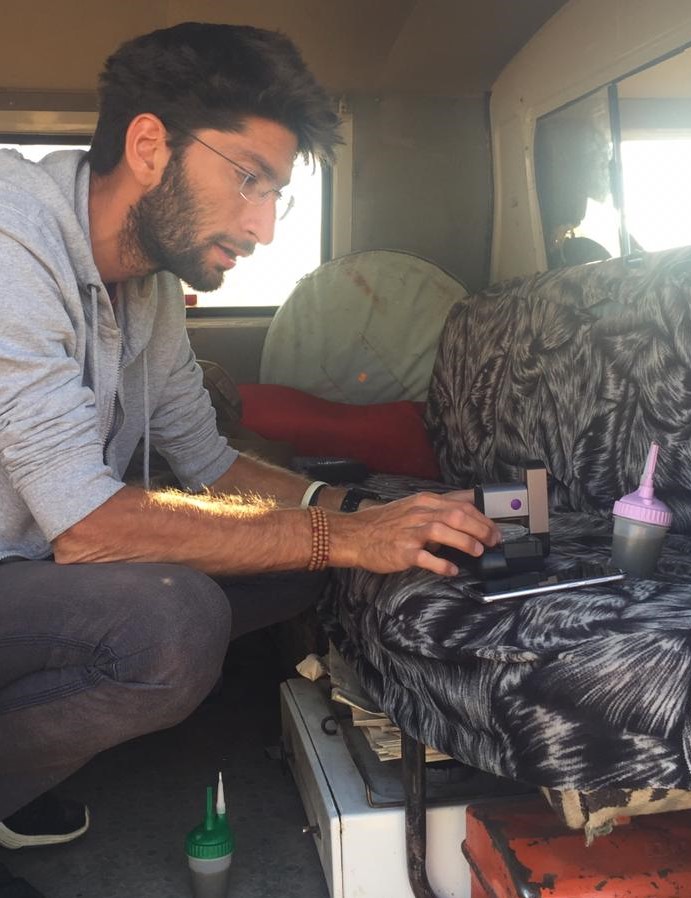
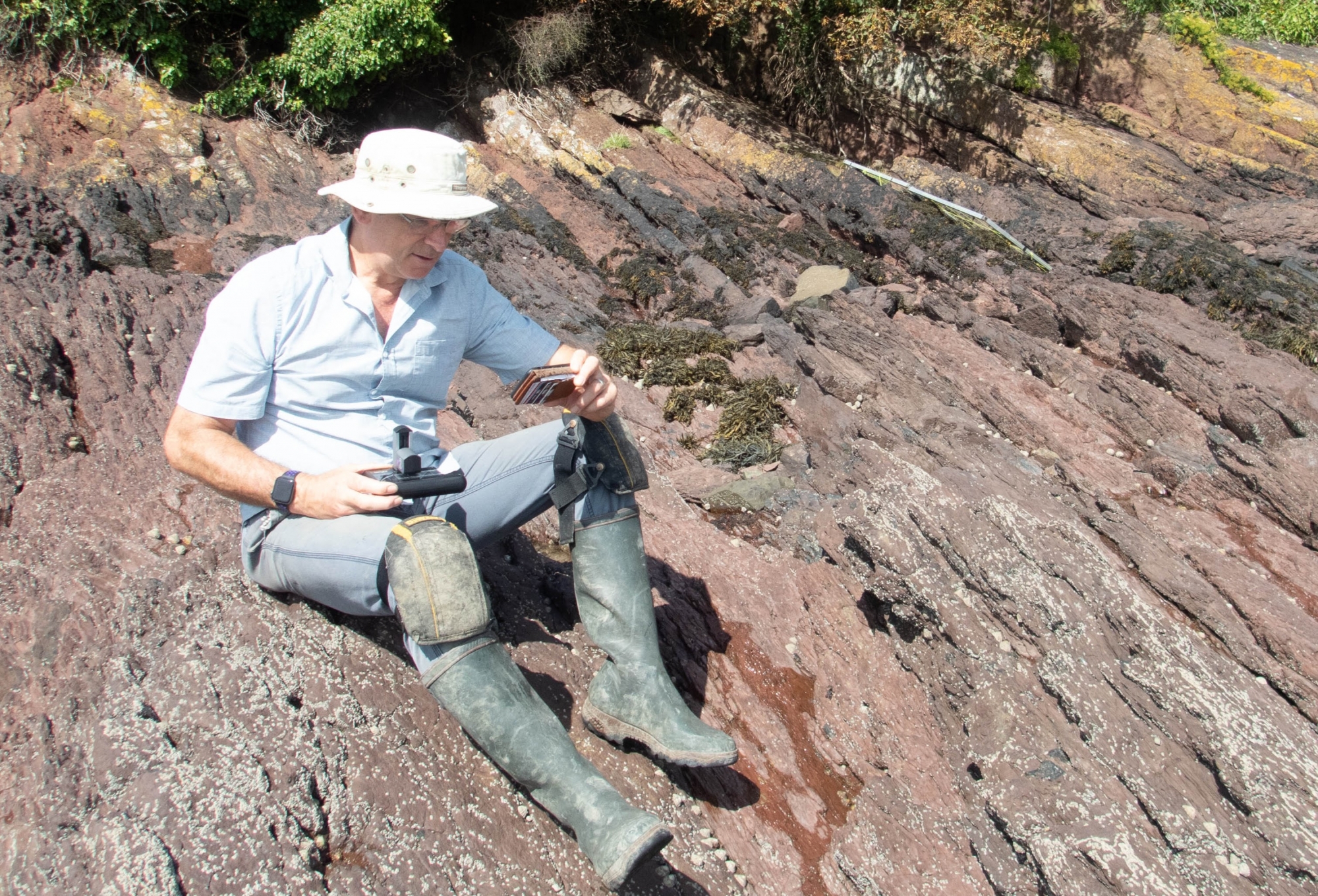
CEFAS detects Harmful Algal Blooms in the waters around the Isles of Scilly, off the South-West tip of England using ioLight portable high-resolution microscopes and citizen scientists. This area of the UK has never previously been assessed for these microalgae, some species of which are responsible for fish deaths as well as producing toxins which can accumulate in shellfish and cause sickness in shellfish consumers. CEFAS studies the algae present in the water throughout the year on the five islands using the ioLight microscopes in the field. The researchers hope to build up a picture of Harmful Algal Bloom occurrence. This will be combined with chemical analysis of shellfish to understand how these algae arrive in the UK and the potential impact of climatic change.
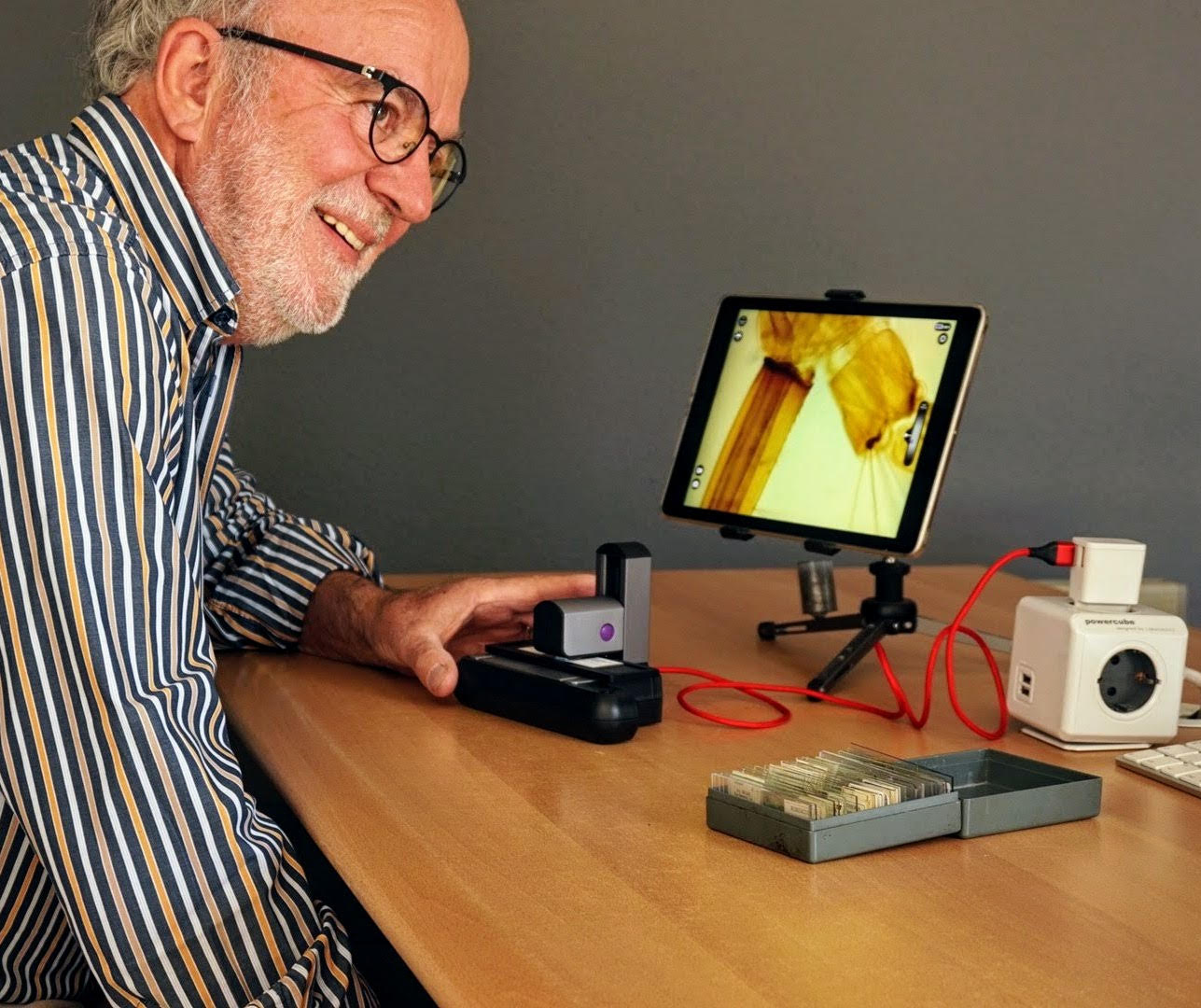
ioLight microscope for citizen science
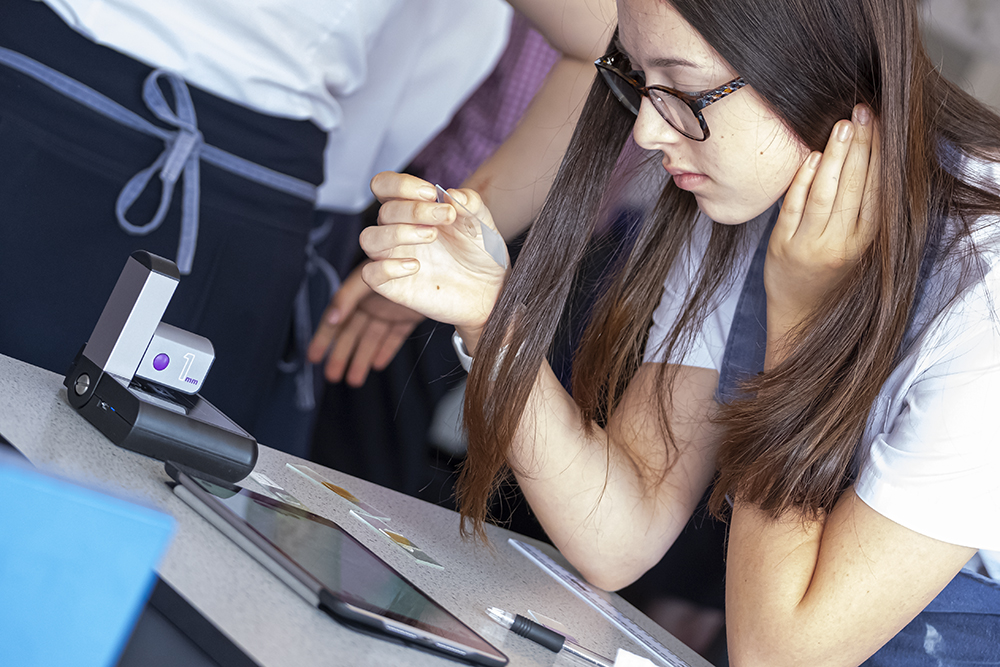
Project leader Dr Andy Turner of CEFAS, Weymouth says “We are working with the Five Islands Academy School on St. Mary’s, and other people on the islands including children, ex-pupils and teachers to collect and process water samples.” Dr Turner continues “Our lead analyst in the islands, Zoe Jenkins, is studying biology in her final year at Aberystwyth University. Zoe is currently unable to leave her home on St. Mary’s. However, even with COVID-19 restrictions in place, we hope that citizen monitoring using ioLight devices will generate new science when normal laboratory-based approaches are not possible.” Andrew Monk, CEO of ioLight says “This is precisely what we developed the portable microscope for. CEFAS is using enthusiastic citizen scientists to transmit high-quality images to their labs in Weymouth and Lowestoft without breaking COVID-19 restrictions.” He continues “CEFAS is getting real-time information on Algal Blooms and people in The Scilly Isles are learning about their precious environment.”

Further information can be found on social media Instagram @ScillyHAB, Twitter @habscilly or by emailing the project team at scillyhab@cefas.co.uk.
ioLight makes the only pocket microscope that can display video and images of single cells on a mobile phone screen and share them instantly. The company is raising funding on Crowdcube and you can visit the ioLight pitch page to invest.





 ioLight Limited 2024
Leave a Reply
Want to join the discussion?Feel free to contribute!