
Climate change impact on alpine species in Nepal
Life is on the rise in the Khumbu Valley

National Geographic monitors the impact of climate change in Nepal
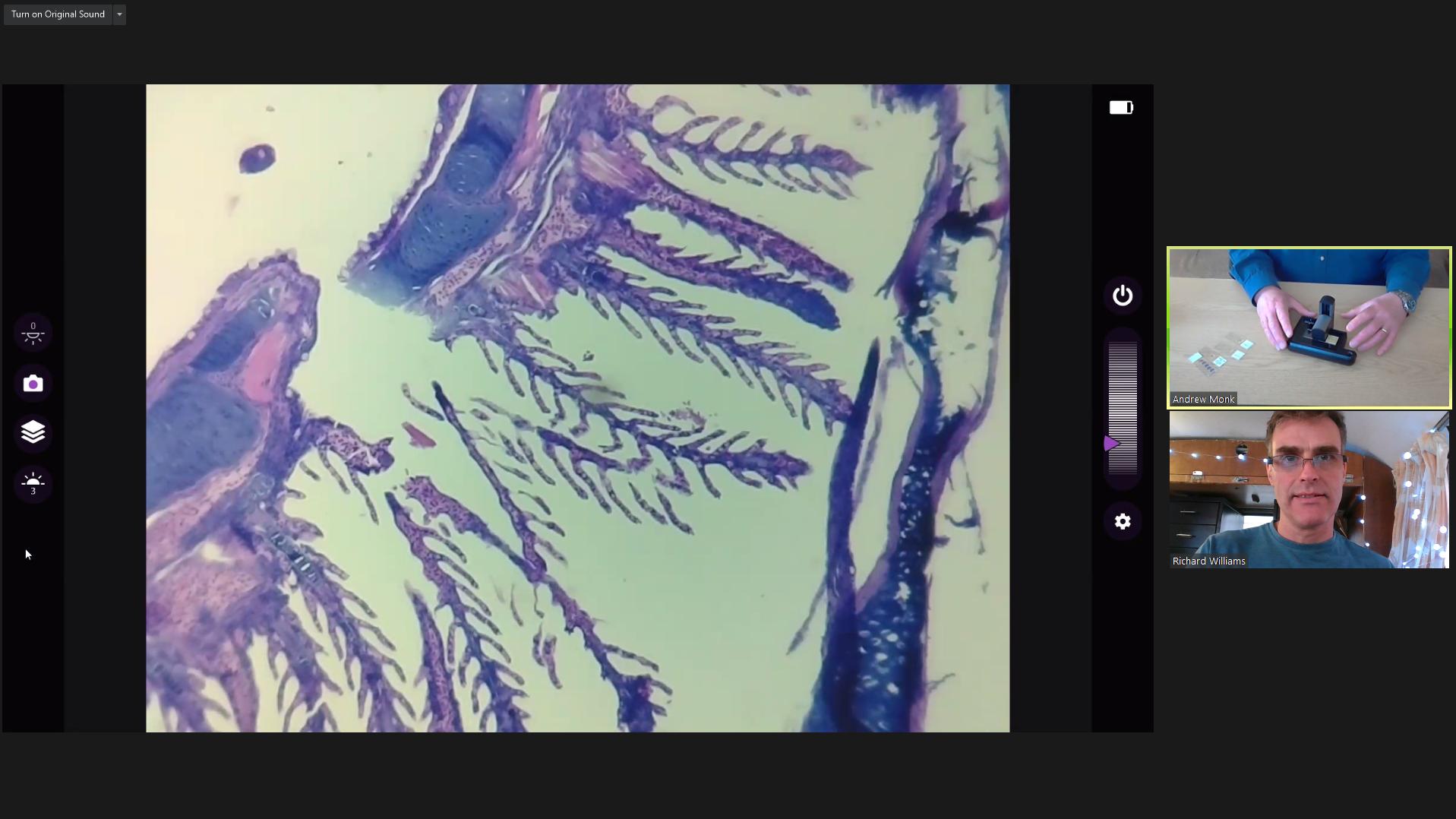
Climate Change is driving life in the Himalayas to move up the mountains as the lower altitudes warm. The latest National Geographic video documents Tracie Seimon leading a team of biologists carrying out a biodiversity study to monitor this movement. Far from her laboratory at the Wildlife Conservation Society’s Bronx Zoo in New York, Tracie and the team of local scientists use the ioLight microscope to monitor protozoa at high altitude. The ioLight microscope weighs just one pound and records high-resolution images and videos on a standard mobile phone. The microscope is extremely rugged and weighs just one pound, so it easily fits into a rucksack pocket.

University biology departments use ioLight in post COVID-19 teaching
Closer to home university biology departments are working out how to research and teach climate change in the wake of COVID-19. The ioLight microscope allows students to work in any environment in small physically distanced groups. Working away from the laboratory minimises the risk of spreading the virus and gives students a real first-hand experience of the environment.

 ioLight Limited 2024

 (c)ioLight Limited 2020
Leave a Reply
Want to join the discussion?Feel free to contribute!